When a slope moves, a foundation settles, a road fails before its time, or a structure shows distress — Western-EGI investigates the cause. Our geotechnical engineers provide objective, technically defensible failure analysis for insurance companies, attorneys, property owners, and contractors across Wyoming and the region.
Forensic engineering is the application of engineering principles to the investigation of failures, distress, and disputes. It requires more than technical knowledge — it requires the discipline to separate cause from symptom, the rigor to document findings that will hold up under scrutiny, and the judgment to communicate complex technical conclusions to non-technical audiences.
Western-EGI's forensic practice is grounded in geotechnical engineering — the discipline most often at the root of failures that affect structures, pavements, slopes, and infrastructure in Wyoming's challenging geology and climate. Our investigators are licensed Professional Engineers with hands-on field experience across Southwest Wyoming's coal geology, expansive soils, and subsidence-prone terrain. We know this ground because we work in it every day.
We work with insurance companies and adjusters, attorneys on both sides of litigation, property owners seeking answers, and contractors disputing claims. Our role is always the same: find out what happened, document it thoroughly, and report it accurately — regardless of who hired us.
Investigation of slope instability, landslides, retaining wall failures, and embankment distress — the most common geotechnical failure type in Wyoming.
Investigation of differential settlement, heave, foundation movement, and structural distress caused by subsurface conditions.
Investigation of ground subsidence and sinkhole formation related to abandoned mine workings, natural dissolution, or subsurface voids — a unique risk in Southwest Wyoming's coal country.
Investigation of premature pavement failure, base failure, and road distress — including design adequacy review and construction quality assessment.
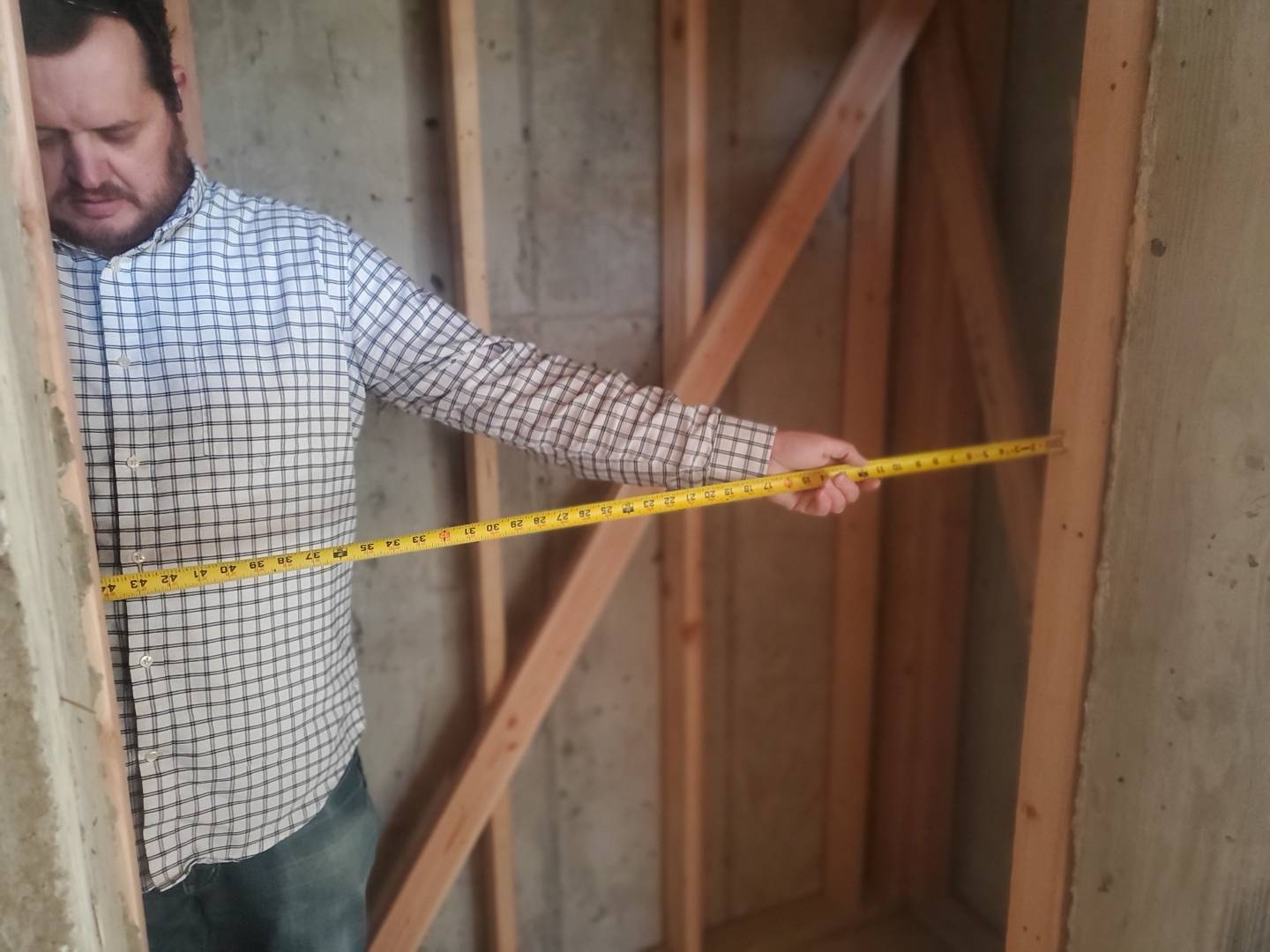
Investigation of cracking, movement, and distress in buildings, walls, and structures where geotechnical or materials causes are suspected.
Technically rigorous investigation reports written to withstand scrutiny — from insurance claim support to litigation-ready expert opinions.
Western-EGI provides forensic engineering to insurance companies, legal counsel, and private clients. Our findings are objective — our job is to determine what happened, not to support a predetermined outcome. That independence is what makes our reports useful and our testimony credible.
We provide engineering cause-and-origin analysis to support or refute property damage claims — giving adjusters and carriers the technical foundation they need to make accurate coverage decisions.
We provide technically defensible expert opinions for plaintiff and defense counsel — from initial case assessment through deposition and, where appropriate, trial testimony. Brandt Lyman, PE has provided expert testimony in Wyoming and South Dakota proceedings. Western-EGI is selective about the cases we accept, which means when we do engage, our opinions carry weight.
Property owners and contractors hire us when they need answers — whether they're dealing with a dispute, a warranty claim, or simply trying to understand what went wrong and how to fix it.
Expert witness work requires more than technical knowledge. It requires the ability to communicate complex engineering conclusions clearly under examination — and the credibility that comes from a career of doing the actual work, not just reviewing it from a desk.
Brandt Lyman, PE has provided expert testimony in Wyoming and South Dakota proceedings, covering geotechnical failure causation, subsidence, and construction defects. His opinions are grounded in field investigation and supported by laboratory data — the same standard he applies to every Western-EGI project. Trial testimony is available where appropriate.
Western-EGI is selective about the forensic cases we accept. We take on matters where we can add genuine technical value and render an honest opinion — not cases where a conclusion is expected before the investigation begins. That selectivity is what makes our work useful to the attorneys and carriers who retain us.
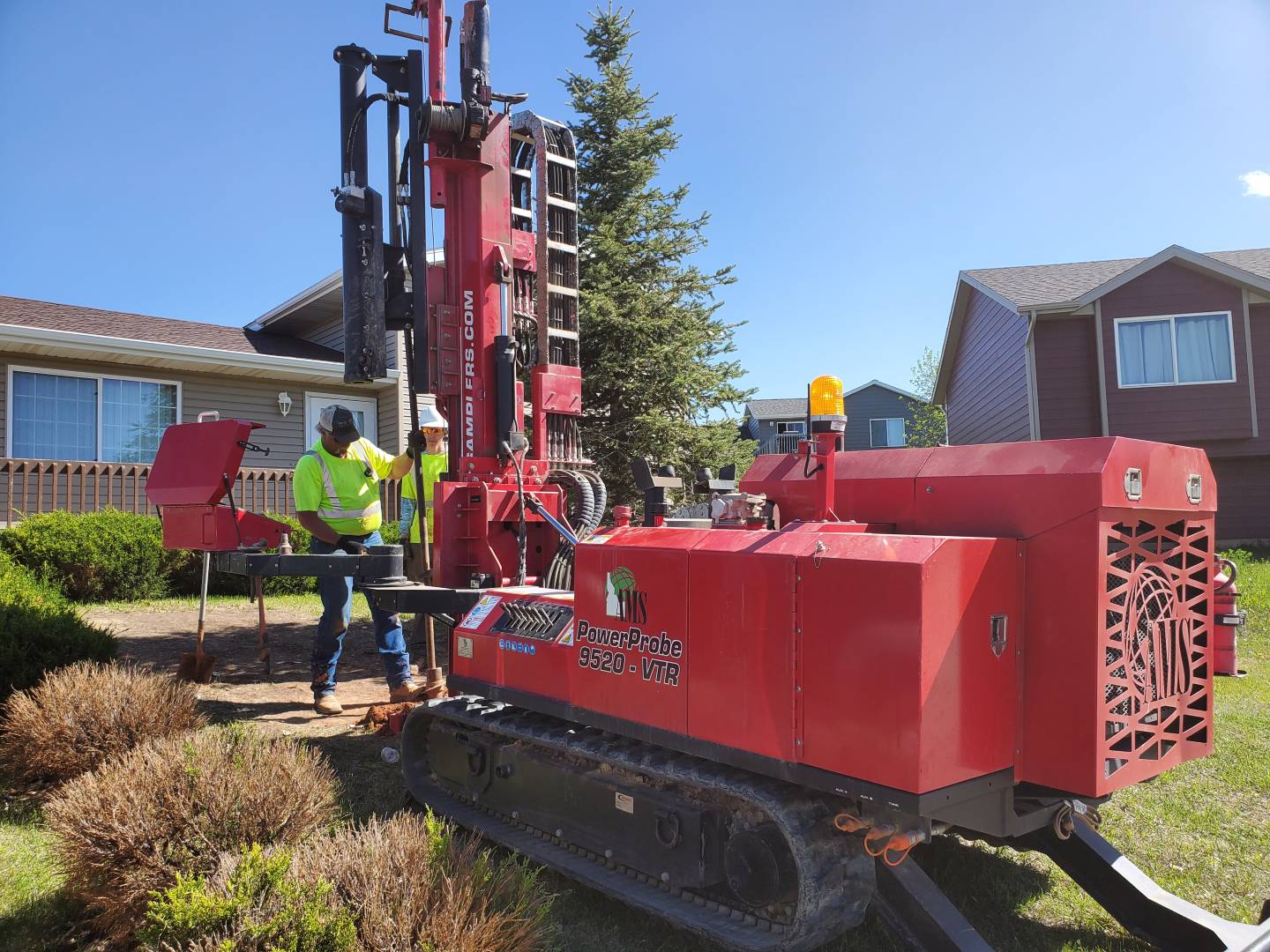
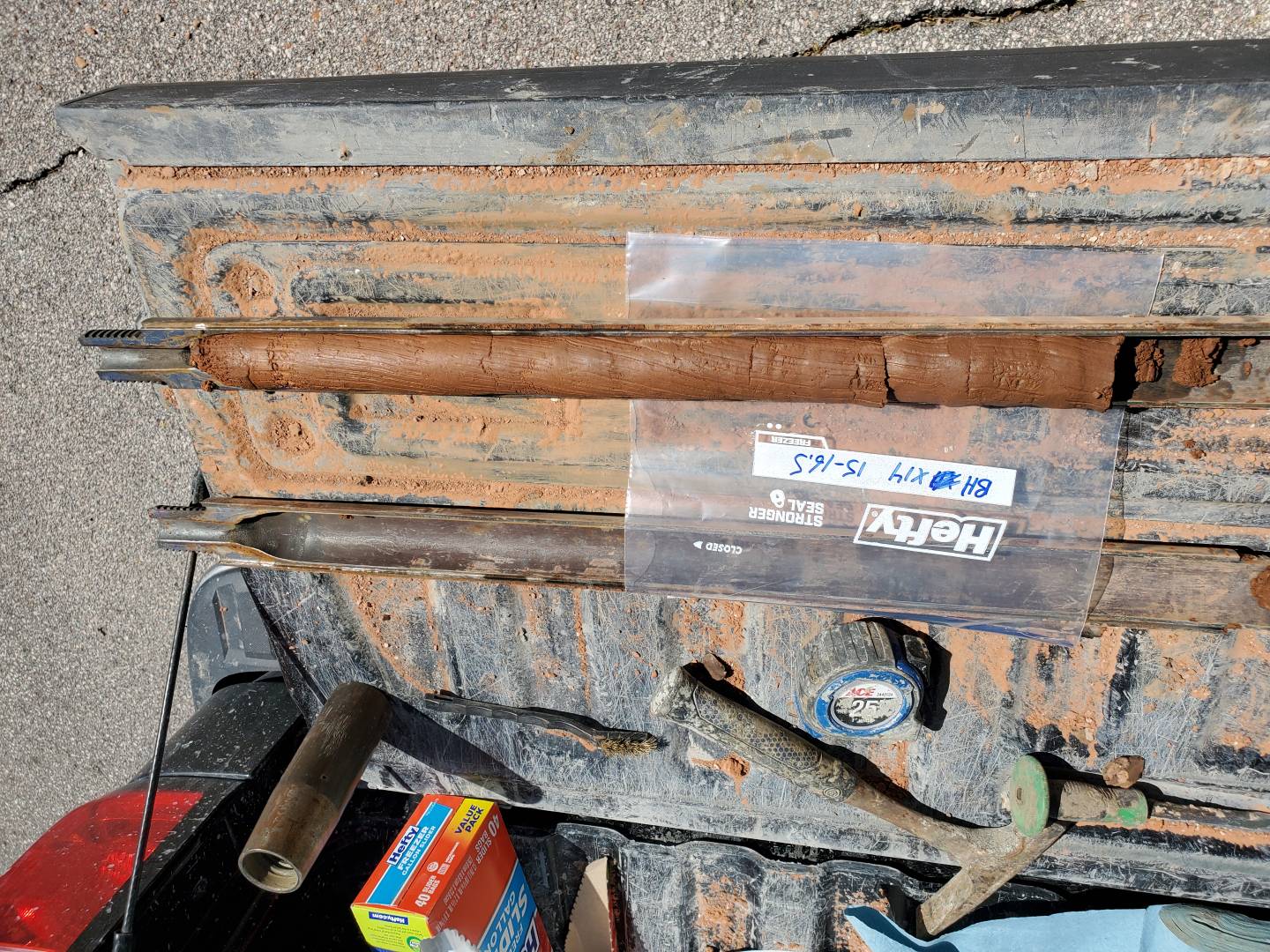
Most forensic firms investigate failures from the outside in — reviewing documents, visiting a site once, and forming opinions without in-house lab capability or deep regional experience. Western-EGI investigates from the ground up. We drill. We sample. We test. We know Southwest Wyoming's geology because we've been working in it since 2014.
Western-EGI's AASHTO-certified lab — consistently rated in the top 5% for testing accuracy nationwide — supports forensic investigation with direct access to soil classification, compaction, strength, and gradation testing. When we investigate a pavement failure, we test the recovered materials ourselves. When we investigate a foundation failure, we drill and sample in-house. No subcontracting the critical data.
Failures in Wyoming often have causes that outside investigators miss — coal-bearing geology creating subsidence risk, expansive and collapsible soils causing foundation movement, freeze-thaw cycles driving pavement distress, and drainage patterns shaped by terrain that doesn't behave like textbook cases. Western-EGI's engineers know this ground because they design in it, drill in it, and test in it every week.
We investigate failures to find the truth — then document it in a way that holds up. For insurance, litigation, or your own peace of mind, we're the engineering firm Southwest Wyoming trusts for honest answers.
In 2020 a subsidence hole opened in a residential neighborhood in Blackhawk, SD — emergency responders quickly determined it was caused by collapse of an abandoned historic gypsum mine. Several homes were evacuated; by 2023 the hole was still growing and streets remained fenced off. Over 150 homes are affected, with estimated damages exceeding $34M. Fox Rothschild retained Western-EGI in 2021 to evaluate whether the full subdivision was at risk, inspect homes for subsidence damage, and complete a preliminary drilling program to characterize the geology beneath the affected area. Investigation and litigation support are ongoing.
During demolition of the existing RSHS track field, unforeseen trapped moisture was discovered in the subgrade — caused by an impermeable membrane installed under the field that had been trapping moisture for years. The defect was not identified in the original geotechnical investigation because drilling had not been permitted on the field itself. Western-EGI identified the cause, assessed the extent, and redesigned the section in the field to address the condition and keep construction on schedule.
Continual failures in CR #33 required a forensic geotechnical investigation to determine why repeated repairs were not holding. Western-EGI's investigation revealed the area had been filled for years without addressing the root cause of failure. Western-EGI designed a repair section targeting the actual failure mechanism — providing confidence that the road would not fail again in the addressed area.
A Rock Springs homeowner experienced nearly 7 inches of differential settlement caused by water runoff from an adjacent property. Western-EGI performed a forensic geotechnical investigation to identify the failure mechanism, conducted structural inspections of the affected home, and provided inspection services during push-pier installation to stabilize the foundation. Brandt Lyman provided expert witness deposition testimony on behalf of the homeowner. The case settled for a confidential amount — Western-EGI's investigation and testimony were instrumental in resolving the dispute.
Whether you need a cause-and-origin investigation, an expert opinion, or a second look at an existing report, Western-EGI is ready to help. Forensic engagements are time-sensitive — contact us early.